A symbiotic designer’s practice

Rekon Intelligence.

Symbiotic Designer OS is the operating system for my work with AI. I build it alongside custom skills for research, design and delivery planning. It gives those skills project context, and I check their output before making a decision.

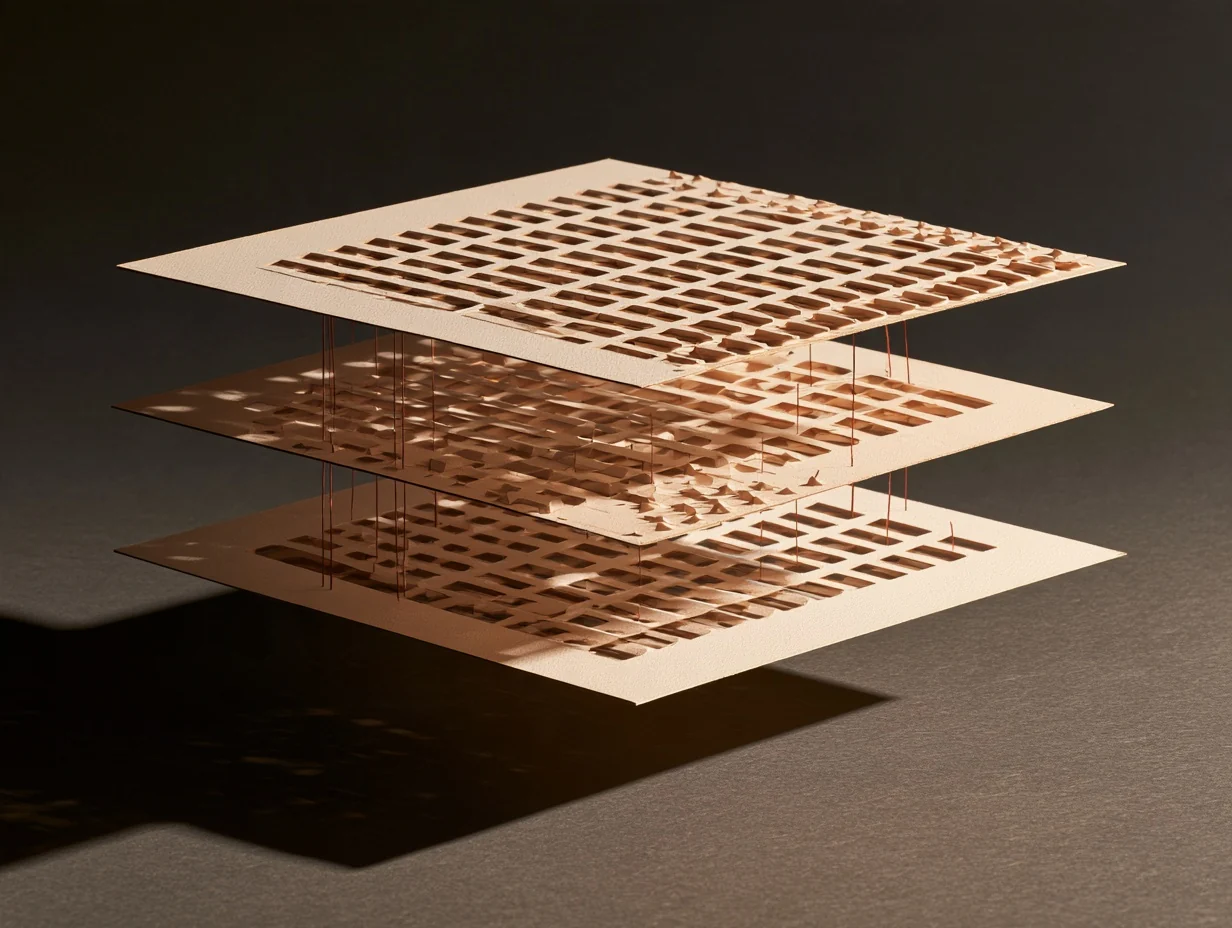
Three suspended sheets with cut-outs cast layered shadows
Layers of a decisionConcept illustration

My system for working with AI

Symbiotic Designer OS.

I built a workspace that brings project knowledge, AI skills and decision rules together. Each new session starts with current sources, the reasoning behind earlier choices and a clear next step.

Building an AI workspace

  1. Goal and boundaries

    I build a workspace for research and design. It needs a shared knowledge base, a way to select skills and a record of decisions across sessions.

    Goal · AI boundaries · Criteria

  2. Load the context

    I start with the brief, sources and earlier decisions. I specify what should come back for review.

    Brief · Sources · Expected output

  3. Give each skill a task

    A research skill organises sources, a design skill develops options and a planning skill turns the chosen direction into next steps.

    Research · Options · Delivery plan

  4. Review and choose

    I check what supports a recommendation. If the evidence is thin, I know what to verify before choosing a direction.

    Evidence · Risk · Decision

  5. Carry the work into the next session

    I record the choice, its reasoning and the next action. The next session starts from those decisions.

    Decisions · Rationale · Next step

Michał Aleksander / experience

In UX since 2009.

I bring experience in usability research, leading a UX team and designing products to Symbiotic Designer OS. My work spans online shops and booking services through to advertising platforms.

See my career history on LinkedIn
  1. E-commerce

    Usability research and shopping journey design.

  2. E-learning

    Leading a UX team, researching and designing educational products.

  3. Online travel

    Booking journeys for an international travel service.

  4. Marketplaces

    Designing buyer journeys for a classifieds platform across several markets.

  5. Construction and field service

    Research and SaaS app design for crews working in the field.

  6. AdTech

    Complex B2B platforms, design systems and rules for working with AI.

I started working in e-commerce in 2005. The dates mark the start of selected design roles.

How the skills work

A skill is a reusable instruction for AI. I choose one for the task, give it project material and define what should come back for review. For prototypes, I use the Design Cortex module.

Researcher

Research Workbench · Design Conference Research

What I start with
A research question, brief, transcript or source material.
What comes back for review
A synthesis with source links and questions to investigate.
What I check
Whether key findings point to sources and the limits of the evidence are visible.
See the Copenhagen synthesis

Designer

Design Direction · UX Architecture

What I start with
A goal, an audience, brand material and project constraints.
What comes back for review
Visual directions or user journeys with the reasoning behind them.
What I check
Which option best supports the goal and how we can tell.
See the i-Rays design decision

Design Cortex

Prototyping module

What I start with
One task, components and agreed product rules.
What comes back for review
An HTML prototype and the results of the rule checks.
What I check
Whether the task can be completed and which exceptions require a decision.
See how Cortex works

Methods in practice.

Three design decisions from Rekon projects.

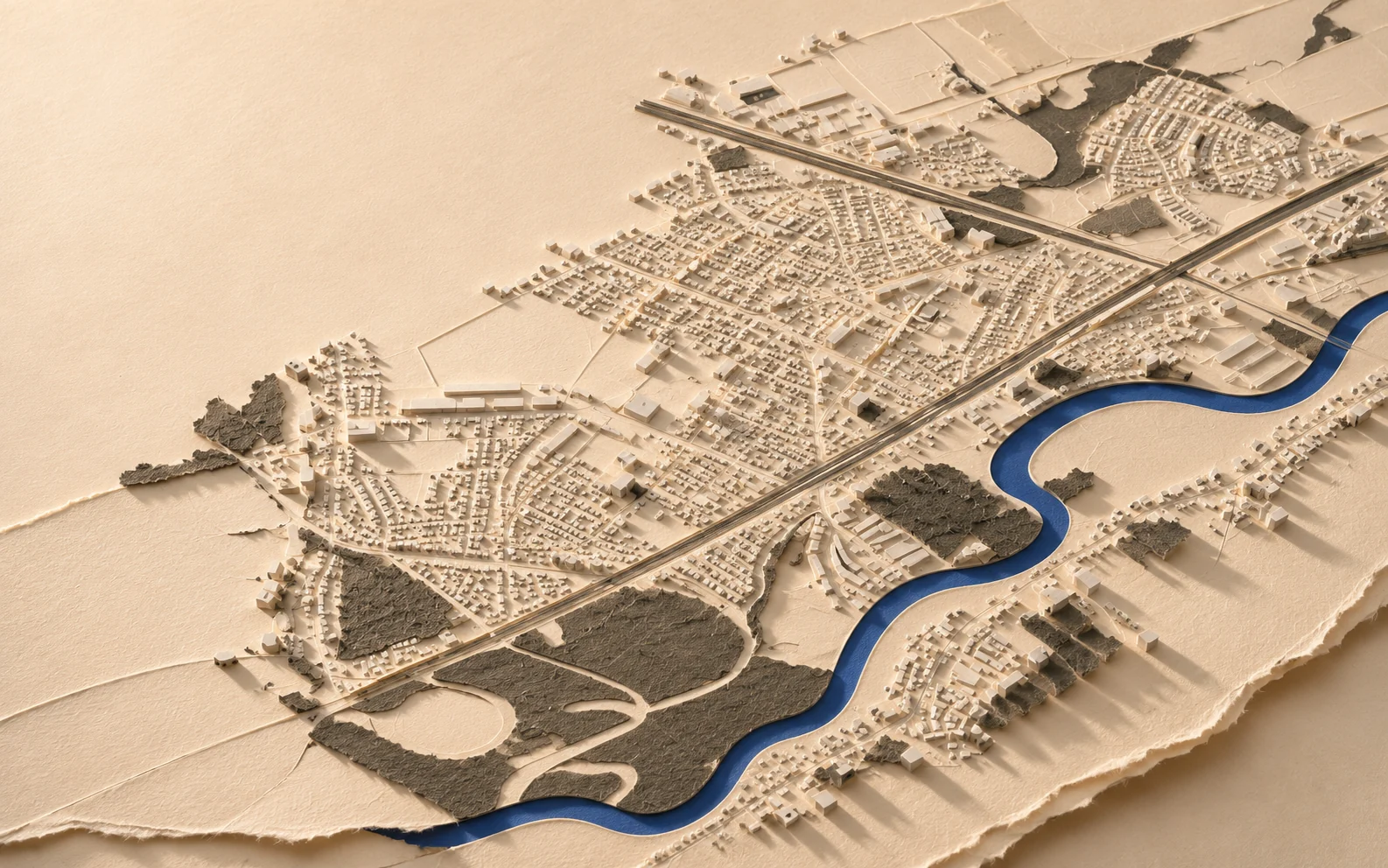
Paper relief of Luboń with the Warta River in cobalt blue.

Information architecture

From the street to the source.

On this interactive 3D map of Luboń, select a project to see its reported stage, who is responsible and which documents support the information.

See the Miasto z bliska case study
Silhouette of an operator in front of monitors showing charts.

Visual exploration with AI

The operator’s point of view.

We compared five opening concepts. The chosen scene shows the operator at work alongside an example of anomaly detection.

i-Rays / five opening concepts
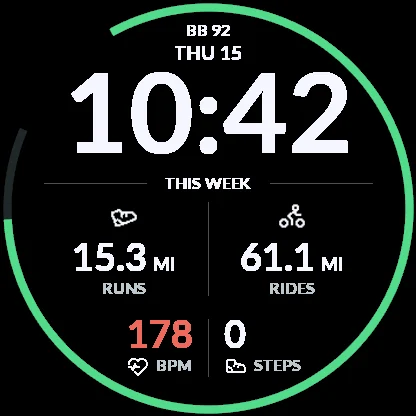
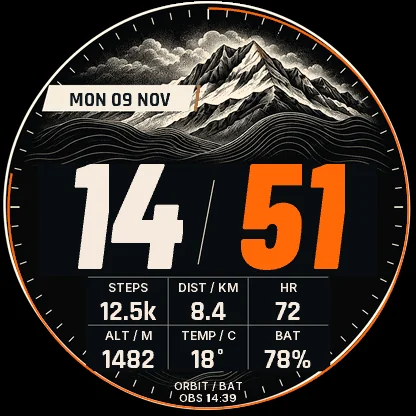
Multi Clean watch face with running and cycling data. Contour watch face with an engraved mountain illustration.

Prototype comparison

Can you tell the time at a glance?

I compared seven watch-face concepts, including after an activity and with missing readings. I checked the simplified always-on display in the simulator.

ORBIT / from multisport to themed collections

From intent to decision

  1. Set the goal

    I start with what the audience needs to understand or do. I write down how we will know the result is ready to use.

  2. Choose the context and a skill

    I draw on conversations, sources, brand material and product rules. These give the chosen skill the context it needs.

  3. Test the idea in practice

    I describe the intent and use AI to prepare options. Depending on the project, I check a print proof, a user journey or a working prototype.

  4. Decide and hand over

    I choose a version, record why and deliver the agreed result. If a finding can help future projects, I update the rule.

Different-sized components arranged in a regular grid

A case from practice / Design Cortex

When a colour needs an exception

A check found colours outside the design system. They came from external material, so I defined an area with its own rule and ran the prototype check again.

Read the full story on Substack

Studio sources

What conferences bring to the work

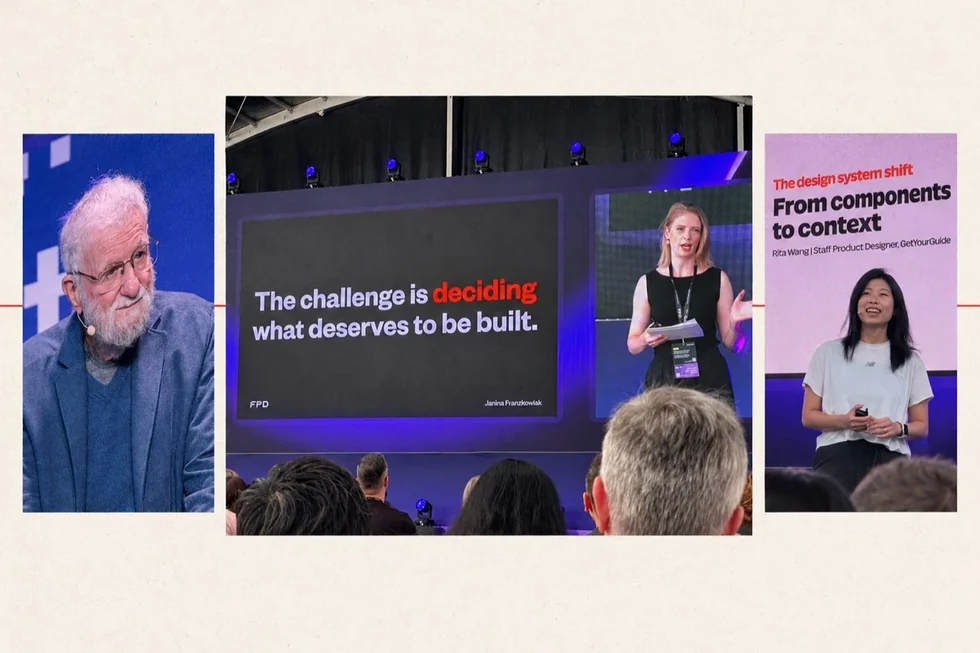
After Future Product Days I wrote about how a design system can guide an agent on when to use a pattern. That question came up again in Cortex when I set a colour rule for external material.

Scenes from talks at Future Product Days
Future Product DaysCopenhagen 2026
Write to Michał
Contact

Talk to Michał

Rekon

I’ll reply to the email address you provide. If I need more detail, I’ll ask about the scope and suggest a next step.

Privacy notice (PL)

Messages from this site are delivered via Formspree.